



































Dining Room Wall Decor Ideas: Mirrors, Lights & Shelves
A dining room wall has to work with the table, chairs and light already in the room. A mirror can make a compact space feel more open; a wall light can soften dinner lighting; art or a slim shelf can give a quiet wall a purpose. The best choice starts with the wall you actually have, not a rule about filling every empty space.

Choose one focal wall
Stand where you first enter the room and notice which wall catches your eye. Often it is the wall behind a buffet or the one opposite the dining table. Give that wall one clear focal point, then let nearby surfaces stay simpler. If the room already has a dramatic pendant or patterned wallpaper, a restrained mirror or single work of art may be enough.
Before buying, mark the proposed outline with painter’s tape. Step back from the doorway and sit at the table. This quick test shows whether a piece feels balanced from both views and whether it crowds a doorway, cabinet, or light switch.
Use a mirror to add depth, not glare
A wall mirror can reflect daylight and open up a dining room, especially when placed above a buffet. Look at what it will reflect from a seated position: a window, a sculptural light, or a good view adds more than a reflection of clutter. If the mirror faces a bright bulb directly, shift its position or adjust the lighting before mounting it.
For a clean-lined option, the Urbia Suri Mirror has a circular form that can soften a room dominated by rectangular furniture. Browse modern wall mirrors for other shapes and sizes. If you are deciding where a mirror belongs elsewhere in the house, see our guide to using wall mirrors in interior design.
Layer wall lighting with the table light
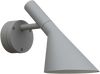
Wall sconces can add a gentler layer of light for meals after dark. Use them to frame a buffet, illuminate art, or brighten an area that the overhead fixture misses. Keep the dining table’s pendant as the main light; the wall lights should support it rather than compete for attention.
Check the fixture’s dimensions and light direction before ordering. A projecting arm needs room where people walk, while a shade aimed at eye level may cause glare from a seated position. Confirm whether a design is hardwired or plug-in and plan the wiring and switch location before installation. Explore HORNE’s wall sconces, and use our dining pendant size guide if the ceiling fixture also needs attention.
Add art or a slim shelf with purpose
Art can bring color into a neutral dining room without asking every chair or table accessory to do that job. Choose a piece you enjoy seeing from the table, then check its scale against the furniture beneath it. A narrow shelf offers another approach: it can hold a small rotation of objects without taking floor space from dining chairs.
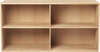
The Planar Wall Shelf M is one example of a simple architectural shelf. Keep displayed objects secure and follow the maker’s mounting and weight instructions. For a less structured look, browse art and objects and leave enough open wall around the arrangement for each piece to read clearly.
Match the idea to your room
- Small dining room: Try one mirror or a shallow wall light, and protect the walking path around the table.
- Dining room with a buffet: Use the buffet as a visual anchor for a mirror or art, then check the composition from the doorway.
- Open living and dining space: Repeat one material or finish from the furniture so the wall feels connected to the rest of the room.
- Busy family dining area: Choose durable finishes and keep fragile objects away from chair backs and traffic.
When the wall and furniture feel balanced, stop. A clear focal point and room to move are more useful than filling every inch. Explore HORNE’s mirrors, wall lights, and shelving to build a wall that suits the way you use your dining room.
Explore more: Visit the HORNE Design Guides hub for room-by-room furniture and lighting advice.


